Why Car Servicing is Important?
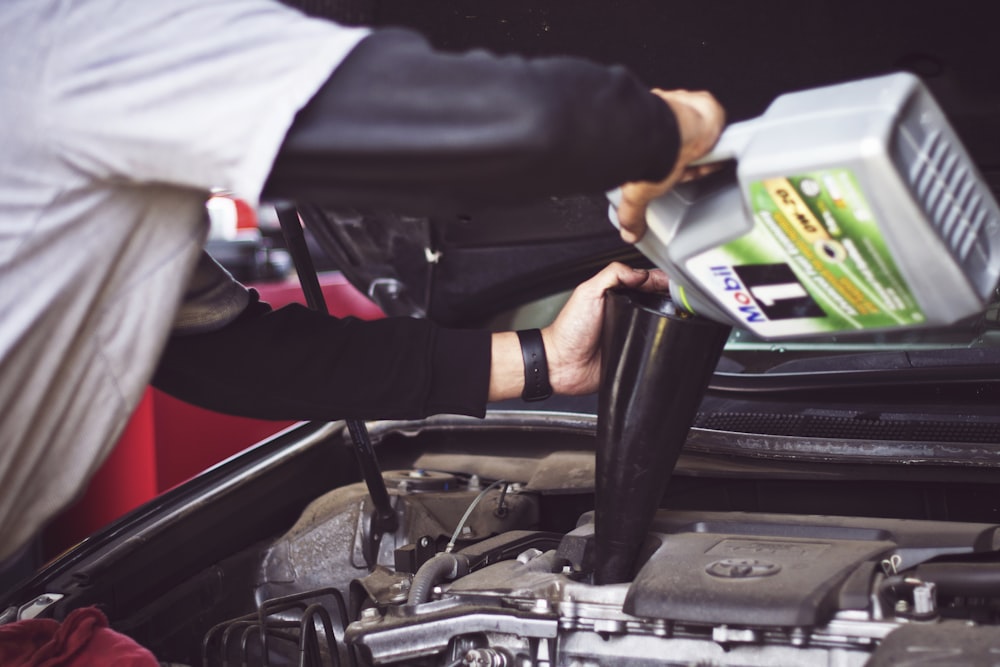
Image Source: Unsplash
Introduction
Keeping your car in top condition is not just about aesthetics; it's about ensuring optimal performance and safety on the road. That's where car servicing comes in. Regular servicing is crucial to keep your vehicle running smoothly, extending its lifespan, and preventing costly repairs down the line. Whether it's changing the oil and filters, checking the brakes and suspension, or diagnosing any potential issues, a comprehensive car service is designed to address all aspects of your vehicle's needs.
By adhering to a regular servicing schedule, you can detect and fix small problems before they become major, more expensive ones. Moreover, a well-maintained car is safer to drive, providing you with peace of mind knowing that all essential components are in pristine condition. Not only does this enhance your safety, but it also helps preserve the value of your vehicle. So, don't overlook the importance of car servicing. Invest in regular maintenance, and you'll reap the rewards of a reliable, efficient, and long-lasting vehicle.
The Importance of Regular Car Servicing
Regular car servicing is crucial to maintain the overall health and performance of your vehicle. Just like any other machine, cars require regular maintenance to function optimally. Neglecting maintenance can lead to various issues, such as decreased fuel efficiency, engine problems, and even safety hazards. Here are some key reasons why regular car servicing is important:
- Enhanced Performance: Regular servicing ensures that your car's engine is clean, lubricated, and functioning at its best. It involves changing the oil, filters, and other vital fluids, which helps maintain the engine's efficiency and performance. Additionally, servicing includes checking and adjusting various components, such as the ignition system, timing belts, and fuel injectors, to ensure smooth operation.
- Extended Lifespan: Investing in regular car servicing can significantly extend the lifespan of your vehicle. By identifying and addressing potential issues early on, you can prevent major breakdowns and costly repairs. Regular servicing also helps prevent wear and tear on critical components, allowing them to last longer and operate optimally.
- Improved Safety: Your safety and the safety of your passengers should always be a top priority. Regular car servicing plays a crucial role in identifying and resolving potential safety hazards. During a service, mechanics thoroughly inspect the brakes, suspension, tires, lights, and other essential safety features. By addressing any problems promptly, you can minimize the risk of accidents and ensure a safer driving experience.
- Optimal Fuel Efficiency: A well-maintained car is more fuel-efficient. During a service, the mechanic will check the air filters, fuel injectors, and other components that affect fuel consumption. By keeping these parts in good condition, you can maximize your car's fuel efficiency, saving you money in the long run.
- Preservation of Resale Value: If you plan on selling your car in the future, regular servicing can help maintain its resale value. Potential buyers are more likely to pay a premium for a well-maintained vehicle. A comprehensive service history showcases that the car has been cared for and reduces the risk of hidden issues.
Benefits of Car Servicing
Regular car servicing offers a multitude of benefits that go beyond just keeping your vehicle running smoothly. Here are some additional advantages of investing in regular maintenance:
- Cost Savings: While it may seem counterintuitive to spend money on servicing when your car seems to be running fine, it can actually save you a significant amount in the long run. By detecting and addressing small issues early on, you can prevent them from escalating into major and costly repairs. Regular servicing also helps improve fuel efficiency, saving you money at the pump.
- Peace of Mind: Knowing that your car is in good condition and has been thoroughly inspected by professionals offers peace of mind. You can drive with confidence, knowing that your vehicle is less likely to experience unexpected breakdowns or safety issues.
- Warranty Protection: If your car is still under warranty, regular servicing is often a requirement to maintain the warranty coverage. Failing to adhere to the manufacturer's recommended service intervals may void your warranty, leaving you responsible for the cost of any repairs.
- Environmental Impact: Well-maintained vehicles tend to have lower emissions, reducing their environmental impact. Regular servicing ensures that your car's engine is running efficiently, resulting in reduced pollution and a smaller carbon footprint.
- Improved Comfort: Regular servicing involves checking and adjusting various components that contribute to your driving comfort. This includes inspecting the air conditioning system, ensuring proper wheel alignment, and addressing any suspension issues. By keeping these systems in good condition, you can enjoy a more comfortable and enjoyable driving experience.
Signs That Your Car Needs Servicing
While adhering to the manufacturer's recommended service intervals is important, there may be instances where your car needs servicing before the scheduled date. Here are some signs that indicate your car may require immediate attention:
- Warning Lights: If any warning lights on your dashboard illuminate, it's a clear sign that there may be an issue with your car. Ignoring these lights can lead to further damage and potential safety hazards.
- Strange Noises or Vibrations: Unusual noises, such as grinding, squealing, or knocking, may indicate problems with your car's engine, brakes, or suspension. Similarly, excessive vibrations can indicate issues with the tires or wheel alignment. It's important to have these symptoms checked by a professional.
- Difficulty Starting or Stalling: If your car has trouble starting or frequently stalls, it may be a sign of a failing battery, fuel system issues, or a malfunctioning engine component. Prompt servicing can help identify and resolve these issues.
- Decreased Performance or Fuel Efficiency: If you notice a significant decrease in your car's performance or fuel efficiency, it may be due to various factors, such as a clogged air filter, worn-out spark plugs, or fuel system problems. Servicing can help address these issues and restore your car's performance.
- Fluid Leaks: Any visible leaks under your car, whether it's oil, coolant, or brake fluid, should be addressed immediately. Fluid leaks can lead to significant damage if left unattended.
Choosing the Right Car Servicing Provider
Choosing the right car servicing provider is essential to ensure that your vehicle receives quality maintenance. Here are some factors to consider when selecting a car servicing provider:
- Certifications and Expertise: Look for a car servicing provider that employs certified technicians with the necessary qualifications and expertise. Certifications from recognised organizations, such as the National Institute for Automotive Service Excellence (ASE), indicate a high level of competence.
- Reputation and Reviews: Research the reputation of the car servicing provider by reading reviews and testimonials from previous customers. Positive reviews indicate that the provider has a track record of delivering quality service.
- Range of Services: Ensure that the car servicing provider offers a comprehensive range of services that align with your vehicle's needs. This includes routine maintenance, repairs, and diagnostics.
- Transparent Pricing: Request a detailed breakdown of the costs associated with the servicing to avoid any surprises. A reputable provider will be transparent about their pricing and provide clear explanations for any additional charges.
- Warranty Coverage: Inquire whether the car servicing provider offers any warranty on their services. Warranty coverage provides additional peace of mind and ensures that any issues arising from the servicing will be addressed.
- Convenient Location and Hours: Choose a car servicing provider that is conveniently located and has hours of operation that fit your schedule. This will make it easier to schedule and attend regular servicing appointments.
What to Expect During a Car Servicing Appointment
During a car servicing appointment, the professional technicians will perform a series of tasks to ensure your vehicle is in top condition. Here's what you can expect during a typical car servicing appointment:
- Visual Inspection: The technician will conduct a visual inspection of your vehicle, checking for any visible issues or signs of wear and tear. They will examine the exterior, interior, and under the hood.
- Fluid Check and Replacement: The technician will check the levels of essential fluids, such as engine oil, coolant, brake fluid, and transmission fluid. They will top up or replace fluids as necessary.
- Filter Replacement: The air filter, oil filter, and fuel filter will be inspected and replaced if needed. Filters play a crucial role in maintaining the performance and longevity of your vehicle.
- Brake Inspection: The braking system will be thoroughly inspected, including the brake pads, calipers, and rotors. The technician will check for signs of wear and tear and address any issues to ensure optimal braking performance.
- Tire Inspection and Rotation: The tires will be inspected for wear, tread depth, and proper inflation. If necessary, the technician will rotate the tires to ensure even wear and extend their lifespan.
- Battery Check: The battery will be tested to ensure it is functioning properly. If the battery is weak or shows signs of deterioration, the technician may recommend replacement.
- Diagnostic Scans: Modern vehicles are equipped with advanced onboard computer systems. The technician will perform diagnostic scans to identify any error codes or potential issues that may not be immediately apparent.
- Additional Inspections and Repairs: Depending on the servicing package or any specific concerns you may have, the technician may perform additional inspections or repairs. This can include checking the suspension, exhaust system, lights, and other components.
- Service Report and Recommendations: After completing the servicing, the technician will provide you with a service report detailing the tasks performed and any recommendations for future maintenance or repairs.
Car Servicing Checklist
A comprehensive car servicing checklist typically includes the following tasks:
- Engine oil and filter change
- Transmission fluid check and replacement
- Coolant check and replacement
- Brake fluid check and replacement
- Power steering fluid check and replacement
- Air filter replacement
- Fuel filter replacement
- Spark plug replacement
- Battery check and maintenance
- Tire inspection, rotation, and alignment
- Brake inspection and pad replacement if needed
- Suspension and steering component check
- Exhaust system inspection
- Wiper blade replacement
- Lights and electrical system check
It's important to note that the specific tasks included in a car servicing checklist may vary depending on the manufacturer's recommendations, your vehicle's age, and any specific concerns or issues you may have.
Conclusion
Car servicing is not just a routine maintenance task; it is a crucial aspect of owning a vehicle. Regular servicing ensures that your car performs at its best, extends its lifespan, and keeps you safe on the road. By investing in professional car servicing, you can prevent major repairs, improve fuel efficiency, and preserve the resale value of your vehicle. So, don't overlook the importance of car servicing. Make it a priority, and enjoy the benefits of a reliable, efficient, and long-lasting car.


Comments
Post a Comment